Learning how to build a sustainable sales pipeline isn't about hiring more salespeople - it's about engineering the right system before you scale headcount. Most early-stage companies fail at pipeline not because they lack leads, but because they lack the architecture to convert them consistently.
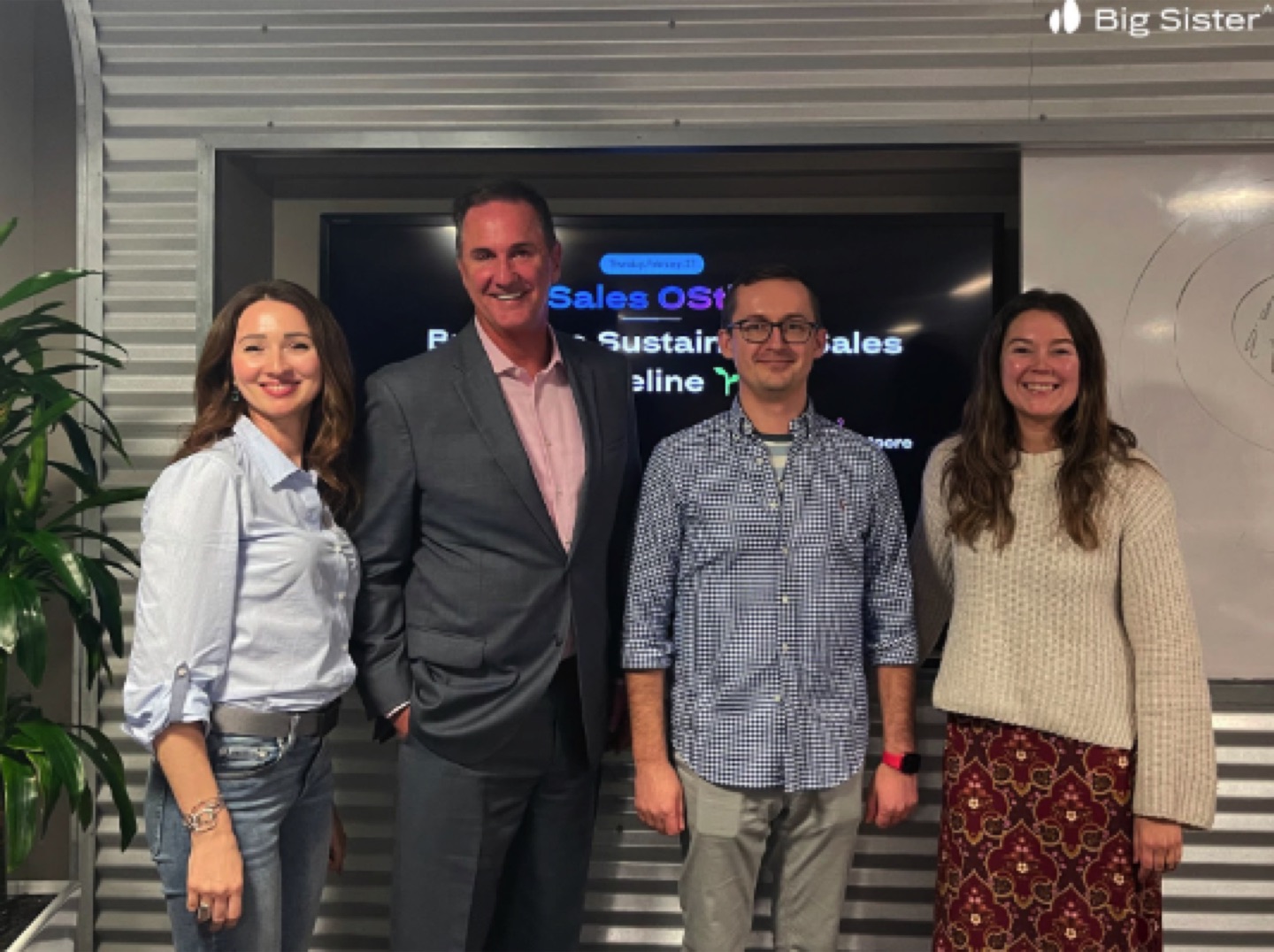
This guide distills frameworks from three practitioners: Chris Lopes (enterprise sales leader), Kathryn Moore (LiveOak Ventures, evaluates hundreds of B2B startups annually), and Val Yaromenko (Big Sister AI, AI-powered sales coaching). You'll get a practical playbook for ICP definition, team structure, forecasting, and using AI to accelerate rep development - without the fluff.
How to Build a Sustainable Sales Pipeline in 2025
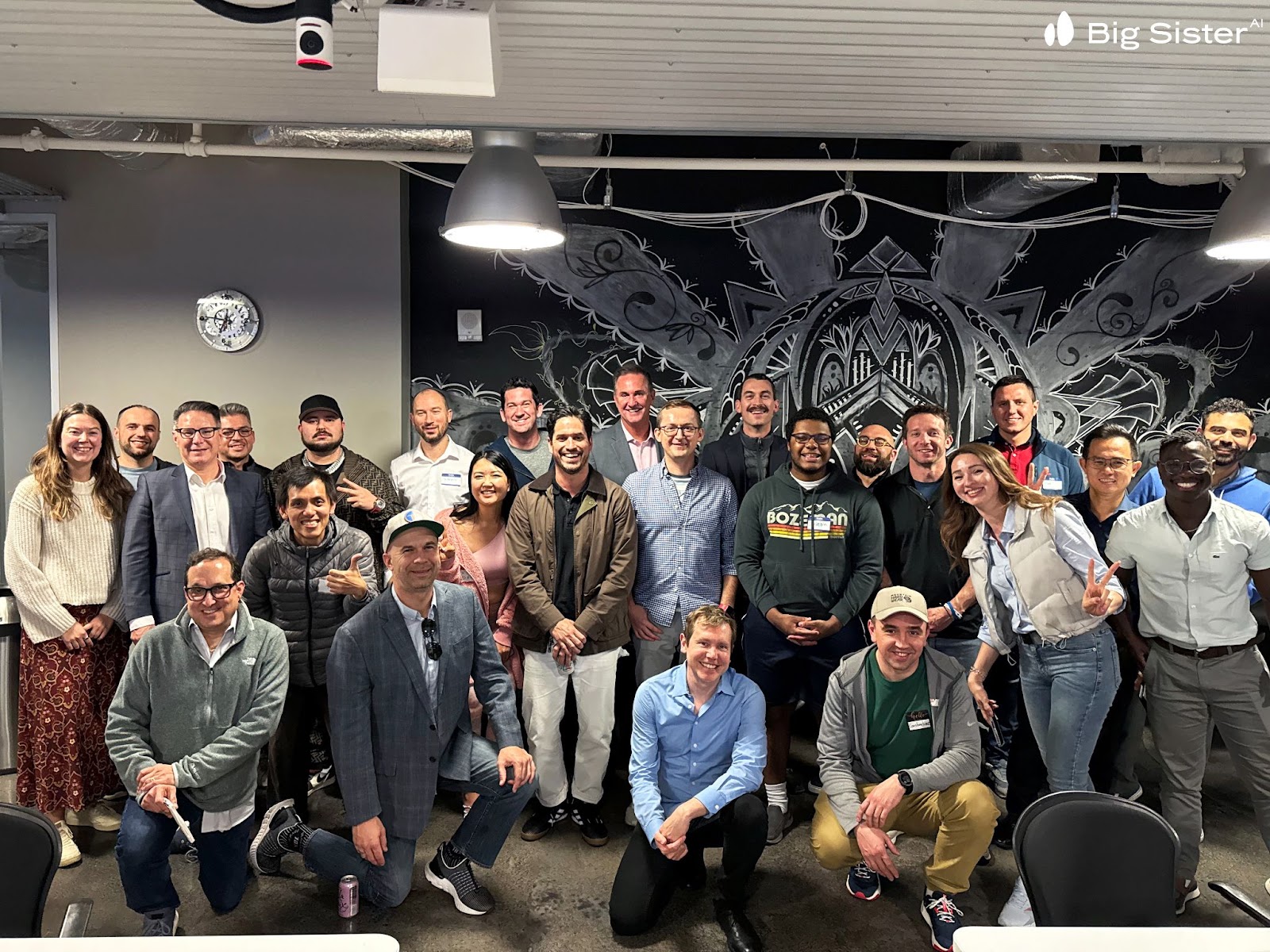
The recent “🌱 Sales OStin: Building a Sustainable Sales Pipeline” event, hosted by Lucy Yaromenko (CPO & Co-founder of Big Sister AI) and Valentyn Yaromenko (CEO of Big Sister AI and WhiteSales), brought together leading voices in sales strategy and investment. Attendees gained exclusive insights into how to create a resilient, scalable sales pipeline for long-term success.
With expert contributions from:
- Chris Lopes, Fractional CRO & Sales Leader
- Kathryn Moore, Venture Capital Investor at LiveOak Ventures
- Valentyn Yaromenko, CEO of Big Sister AI and WhiteSales
The event offered practical strategies for entrepreneurs, startup founders, sales leaders, and business executives aiming to scale effectively in today’s competitive market.
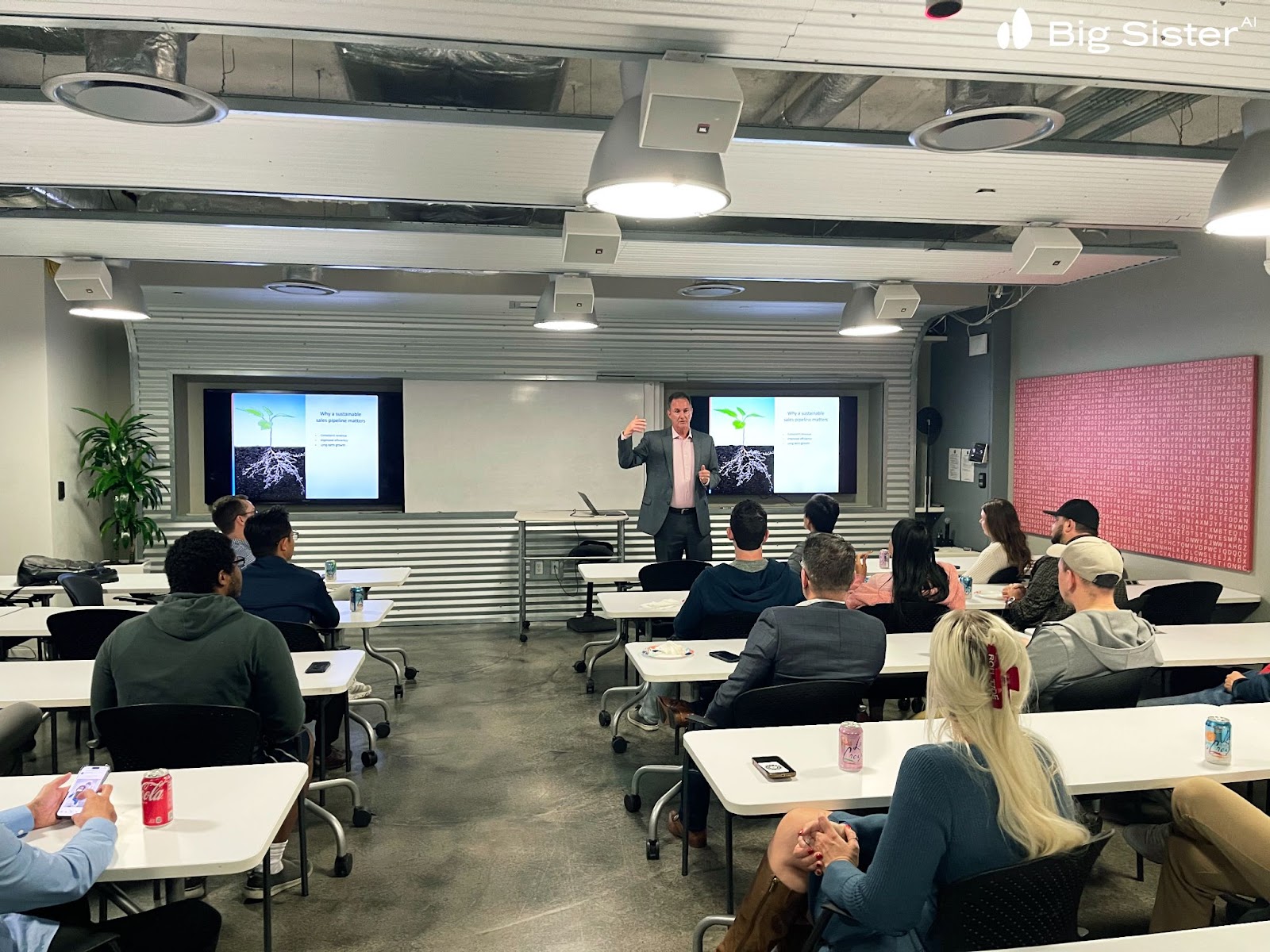
Chris Lopes: Treat Your Sales Pipeline Like a System
Chris Lopes emphasized that building a high-performing sales pipeline requires both structure and intuition. He compared sales to a competitive sport and stressed that consistency, discipline, and adaptability are key.
🔍 Define Your Ideal Customer Profile (ICP)
Lopes stated that identifying your ICP is the foundation of sales success. Early-stage startups often target too broadly, chasing any customer with a budget. Instead, he urged businesses to focus on high-fit, high-value customers, even if they’re harder to win.
“The first step in developing a pipeline is figuring out who you're trying to sell to. Many people get this wrong, especially at the early stage.”
📊 Apply the Pareto Principle
Lopes encouraged founders to focus on the 20% of customers who bring 80% of revenue. These “whales” can have a major impact on growth, even if they take longer to close.
Forecasting, Structure & Scaling
As companies grow, Lopes recommends introducing structured systems and forecasting models to drive predictable revenue. This becomes especially important when preparing for an investment.
“You can Google the stages of a pipeline. But there's a difference between knowing the steps and knowing how to apply them.”
Smart Team Design: Hunters vs. Farmers
A high-performing sales team requires balance:
- Hunters generate new leads and drive outbound growth.
- Farmers nurture existing relationships and expand revenue from current accounts.
Lopes advised founders to avoid promoting top performers into leadership roles unless they are naturally suited for management.
Automation & Tools to Streamline Sales
Leveraging sales automation tools and platforms like LinkedIn allows teams to focus on high-value tasks. Lopes encouraged outsourcing repetitive work and using software to improve efficiency.
Marketing & Sales Alignment
Strong collaboration between sales and marketing is essential. Implementing feedback loops ensures better lead quality and tighter funnel performance. Lopes also promoted the use of the BANT framework (Budget, Authority, Need, Timeline) for qualifying leads and improving pipeline health.
Compensation Drives Motivation
Finally, Lopes shared real-life lessons on sales team compensation. A well-designed compensation plan should align with company goals while motivating individual performance.
📌 Key Takeaways for Building a Sustainable Sales Pipeline
- Clearly define your ICP to target the right customers.
- Focus on high-value accounts using the 80/20 rule.
- Build structured processes and forecasting from the start.
- Align your sales roles to team strengths (hunters vs. farmers).
- Use automation tools and delegate low-impact tasks.
- Foster strong marketing-sales alignment through constant feedback.
- Implement a motivating and scalable compensation strategy.
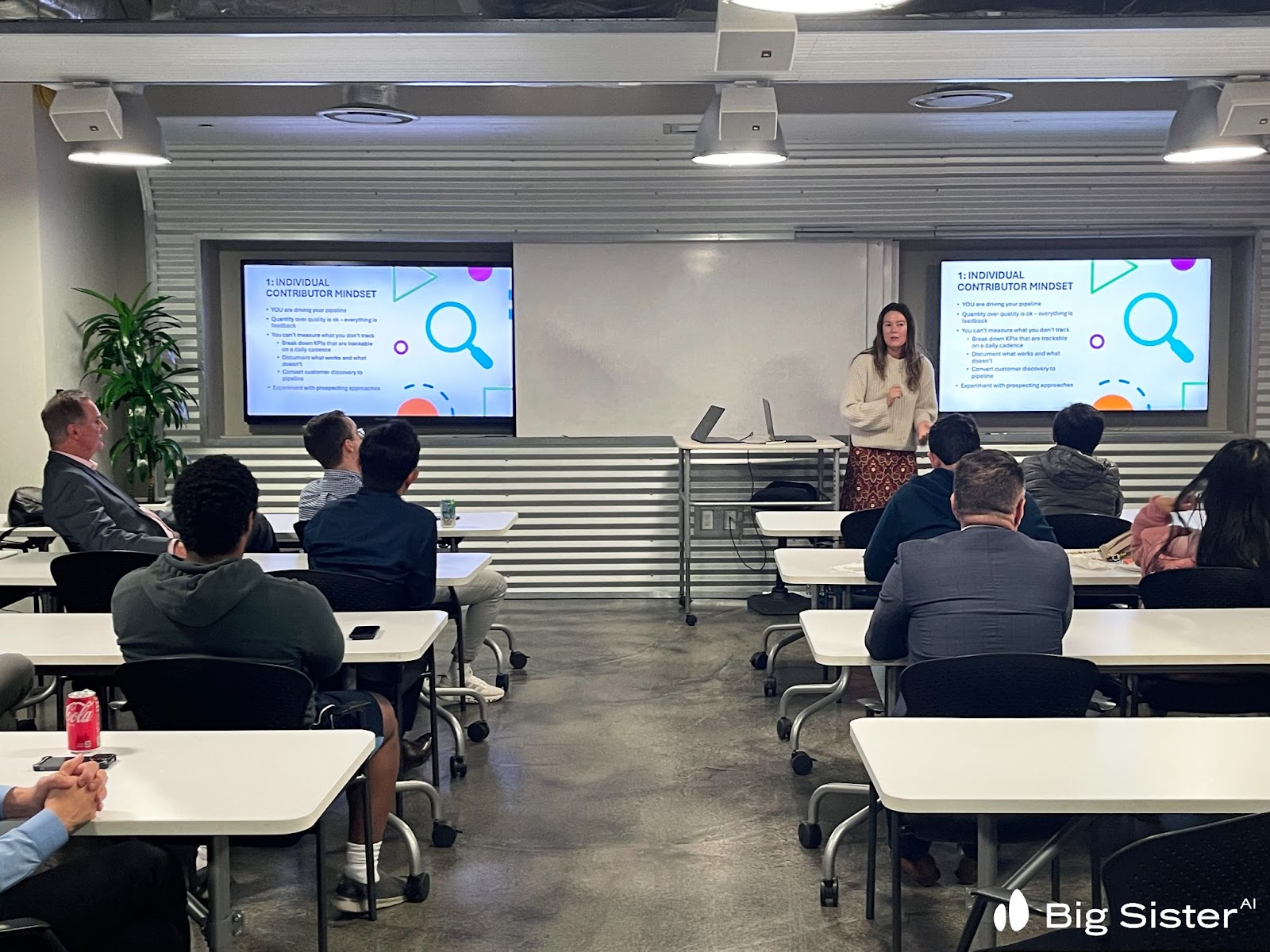
Scaling Sales from Founder-Led to Enterprise: Insights from Kathryn Moore
From Startup Hustle to Scalable Sales Infrastructure
At the "Sales OStin" event, Kathryn Moore - Venture Capital Investor at LiveOak Ventures and experienced sales leader - shared key strategies for transitioning from founder-led sales to a scalable, enterprise-level sales model. Her insights are crucial for startup founders aiming to grow efficiently and attract investment.
📈 Track Everything from Day One
Kathryn emphasized the importance of tracking sales metrics and activities from the very beginning, regardless of the tool used - spreadsheets, notebooks, or a CRM system.
“You can’t measure what you don’t track. Break KPIs into daily actions to stay in control.”
This habit lays the groundwork for data-driven decision-making and scalable operations.
🔁 Early-Stage Sales: Embrace Quantity as Feedback
In the early phase, founders should focus on volume to collect qualitative feedback. Every conversation, even with non-ideal leads, provides valuable learning opportunities to refine the Ideal Customer Profile (ICP) and sales messaging.
👥 Role Specialization: When and How to Let Go
Kathryn discussed the psychological hurdle many founders face: stepping back from sales.
“At some point, you need to take that step back - and this might be the right time to do it.”
To scale, founders must empower specialized team members and shift from “doers” to strategic leaders.
🧱 Hiring for Growth: Build a Scalable Sales Team
Once your ICP is clearly defined and validated, Kathryn recommends hiring experienced sales professionals to:
- Implement standardized qualification frameworks
- Optimize the sales pipeline
- Support enterprise growth
🆚 Enterprise Sales vs. Marketplace Models
Kathryn highlighted that enterprise sales require deep relationships and technical validation, while marketplace sales emphasize:
- Two-sided lead generation
- High-velocity experimentation
- Scalable, iterative processes
Understanding your sales motion is critical for building the right strategy and team.
🧪 Design Partners & Product-Led Growth
For early-stage companies, she advised working with design partners to refine product-market fit. While product-led growth (PLG) can drive momentum, complex solutions often demand dedicated enterprise sales efforts.
🤝 Bridge the Marketing-Sales Gap
Kathryn acknowledged a common founder blind spot - a lack of marketing expertise. She encouraged integrating sales and marketing workflows early on to generate consistent, qualified leads and maximize ROI.
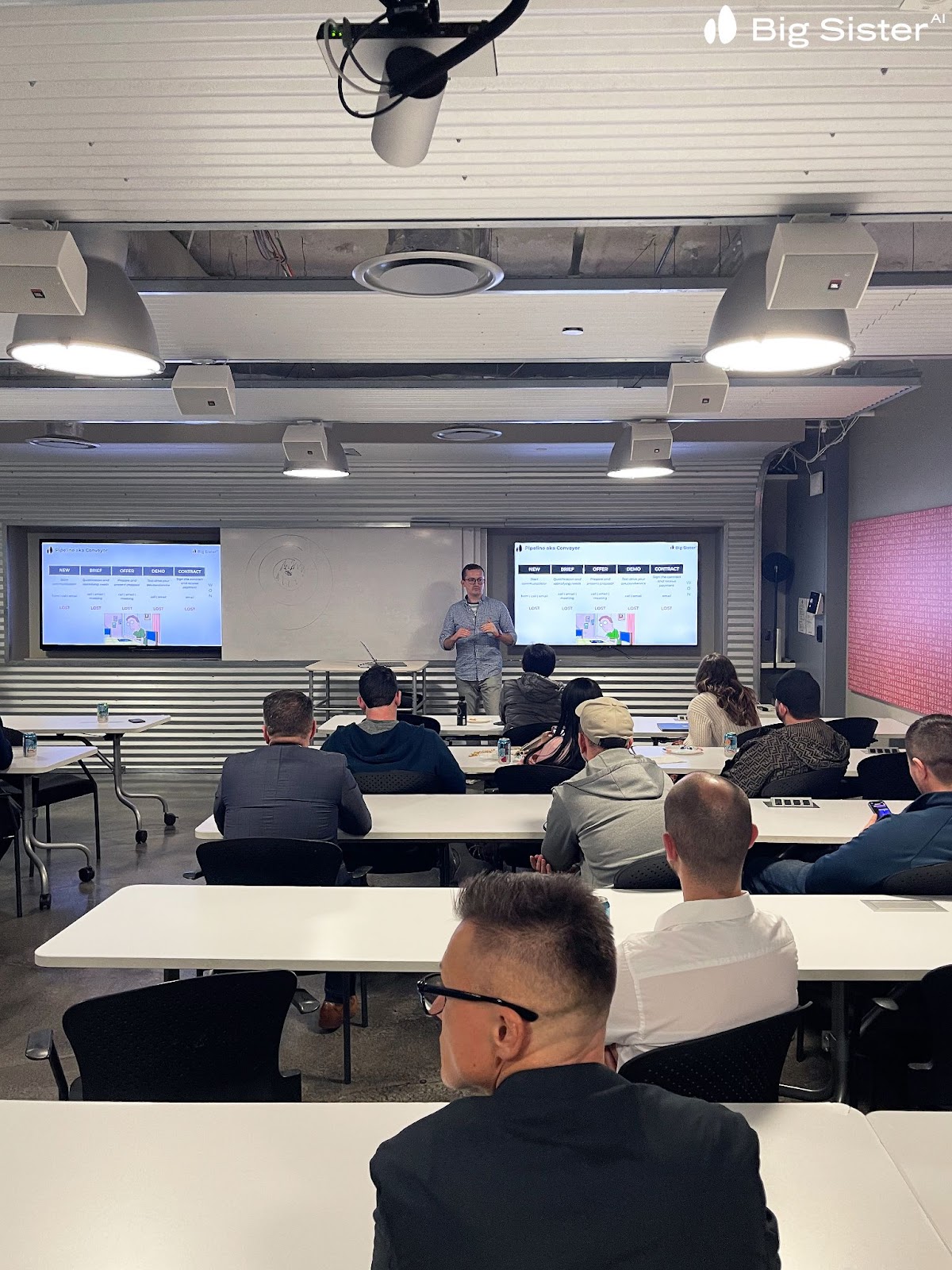
Valentyn Yaromenko: Data-Driven Sales Coaching for Sustainable Growth
🧠 Shift from Outcomes to Behaviors
Valentyn Yaromenko, CEO of Big Sister AI, introduced a behavioral and coaching-first approach to sales performance. He emphasized skill development and consistent improvement rather than chasing short-term results.
🔄 Horizontal Pipeline for Predictable Sales Cycles
Val outlined a horizontal model with clear, repeatable stages:
- New Leads → Brief → Offer → Contract → Retain
This method mirrors manufacturing efficiency - clear roles, clear steps, and predictable results.
⚙️ Automate Repetition, Delegate the Rest
Val recommends automating tasks such as:
- CRM updates
- AI-generated follow-ups
- Sales reporting
Delegating non-core work allows salespeople to focus on closing deals and building relationships.
📊 Sales Analytics & Coaching: Like a Pro Sports Team
Using Big Sister AI, sales activities are analyzed for:
- Communication skills
- Objection handling
- Talk ratios
- Emotional cues
“It’s like building a football team. Every role matters - place people where they’ll win.”
Psychographic assessments help build balanced sales teams that play to individual strengths.
🔁 Continuous Improvement and Feedback Loops
Val stressed the importance of:
- Measuring conversion rates at every stage
- Running regular sales and marketing syncs
- Coaching based on data and behavior, not just closed deals
🔑 Key Takeaways for Business Leaders
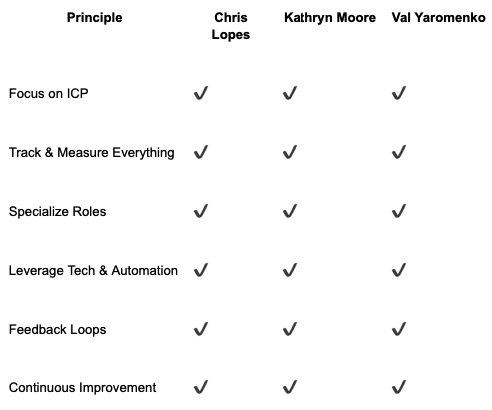
🛠️ Action Steps to Build a Sustainable Sales Pipeline
- Define and Continuously Refine Your ICP
- Track Every Sales Activity
- Build a Repeatable, Scalable Process
- Use Automation and AI to boost efficiency
- Hire Based on Strengths using psychographics
- Create Feedback Loops between sales and marketing
- Coach Your Team with Data for Ongoing Improvement
✅ Conclusion: Sales Scalability Is a System, Not a Sprint
The “Sales OStin” event proved that building a sustainable sales pipeline requires:
- Clear customer targeting
- Strong sales systems
- Integrated tech
- People-focused leadership
With expert guidance from Chris Lopes, Kathryn Moore, and Valentyn Yaromenko, founders and sales leaders can design growth-ready, resilient teams, fit for both startups and enterprise expansion.