
Open LinkedIn right now. Someone just replaced their SDR team with AI agents. Another founder built a CRM replacement over the weekend. A new tool promises to 10x your pipeline - launched yesterday.
Meanwhile: is your team actually selling more? Is anyone spending less time on admin? Is any of it sticking?
That's the real question behind why AI fails sales teams: almost everyone has the tools, almost nobody has the results.
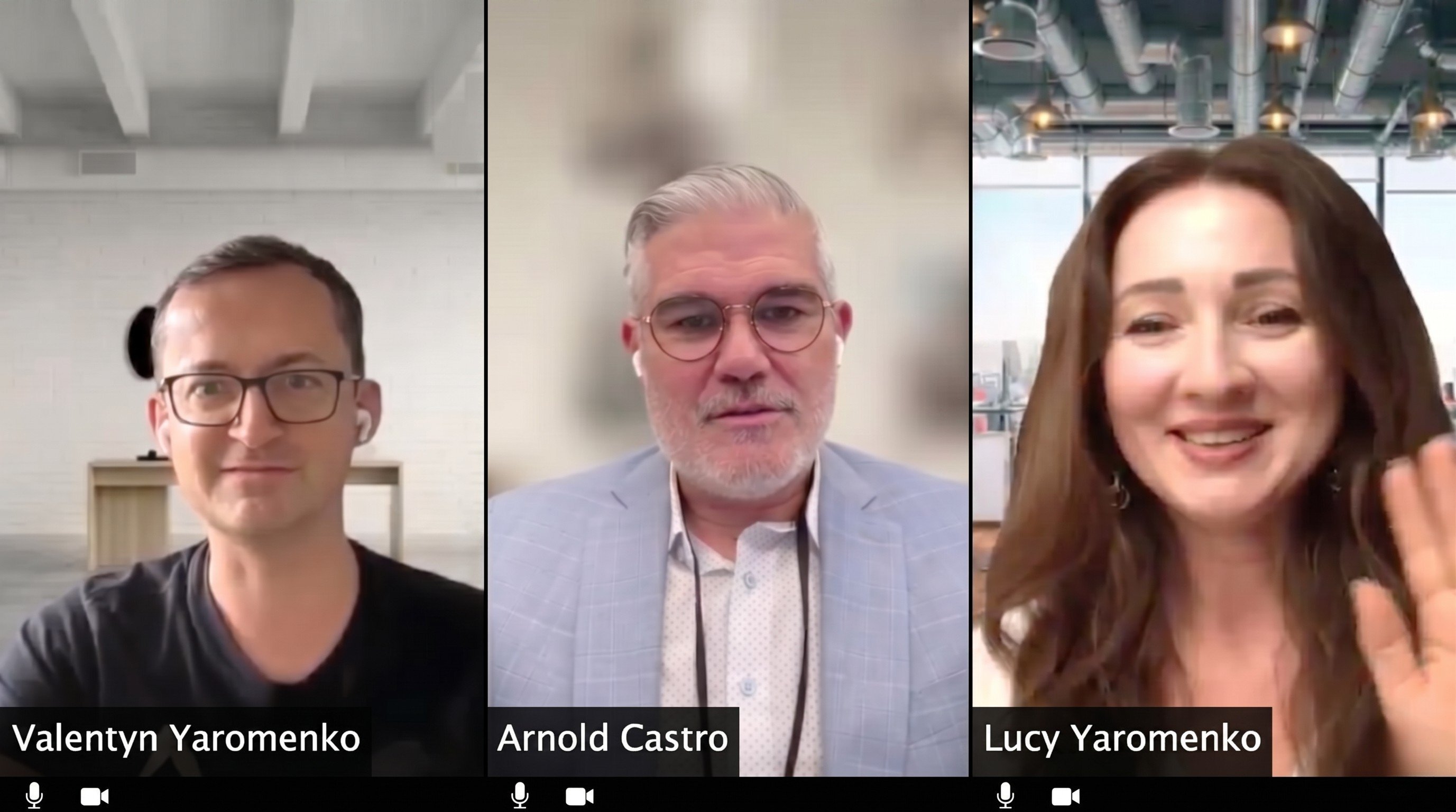
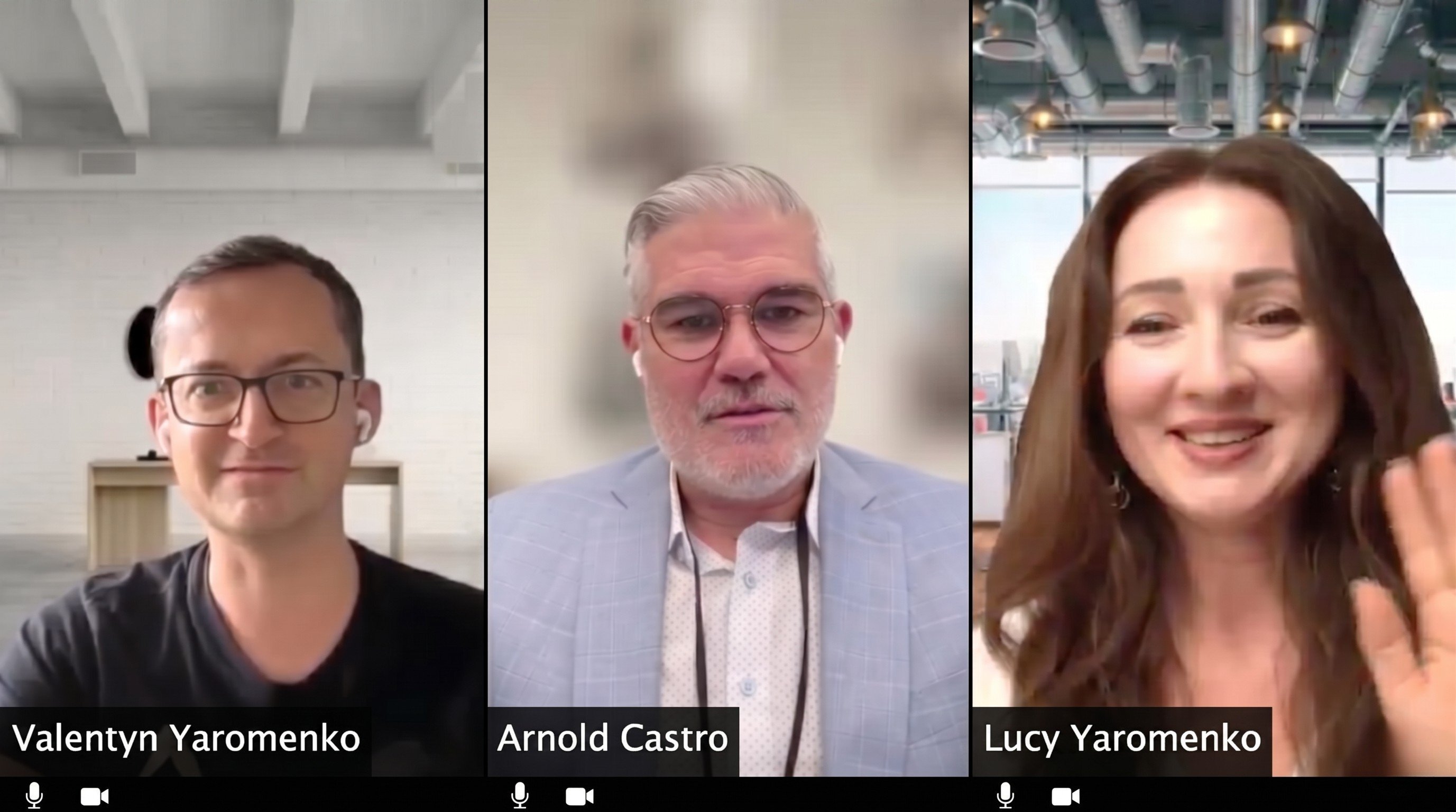
That's the question we brought to Sales OStin in May - into a conversation with Arnold Castro, Assistant Dean of AI at Texas A&M's Mays Business School, and Valentyn Yaromenko, who has built sales organizations for hundreds of companies. Not theory. The actual mistakes, the logic, and what works.
- The tool comes first. The problem comes second.
- The data is siloed. Everyone knows it. Nobody fixes it.
- Agents get vague instructions. Then they fail.
- The tools get upgraded. The people don't.
- Phone calls happen every day. The AI stack never sees them.
- Why AI Fails Sales Teams - Where to Start Fixing It
The tool comes first. The problem comes second.
Here's the uncomfortable truth that Arnold leads with: your ChatGPT is identical to your competitor's ChatGPT. The model isn't the differentiator. It never was.
"The tool is not the answer. We all have access to the same tools. It's all about the context - who you are, what problem you're trying to solve."
Arnold Castro - Assistant Dean of AI, Texas A&M Mays Business SchoolThe board says "we need to be AI-ready." Someone subscribes to ChatGPT - Gemini, Claude, whatever is on the list that week. The team checks the box. And nothing changes.
Valentyn adds the pattern he sees from the sales side - and it starts even earlier than the AI question:
There's also the build-fast trap. A team spends a weekend replacing HubSpot with a custom AI tool, celebrates - and then quietly realizes nobody can maintain it when something breaks.
The data is siloed. Everyone knows it. Nobody fixes it.
Everyone obsesses over prompts. Nobody wants to talk about data quality. Arnold's framing cuts through it:
"Everybody obsesses over prompt engineering, but honestly - it's the last mile. The data is the road."
Arnold Castro - Assistant Dean of AI, Texas A&M Mays Business SchoolMost organizations have data in five different places - CRM, spreadsheets, email threads, Slack, someone's local drive. Multiple versions of the same record. Nobody agrees on which one is real.
Two years ago, bad data meant a wrong answer in a prompt. Today, with agentic systems, the stakes are different.
So where do you actually start? Not with the data - with the problem.
For a closer look at what "messy CRM data" actually looks like in practice - and how it quietly caps how much your team can sell - see what's missing in your CRM.

Agents get vague instructions. Then they fail.
A C-level comes back from a conference fired up - "we need 10 agents by next week." Someone builds something quickly. It fails. Now nobody trusts agents. Valentyn has seen this enough times to have a clear explanation:
Think about how you'd delegate to a new hire on their first day versus a senior colleague who's been on the team for three years. Most people give agents the senior colleague version.
"Building agents is like delegating a fully transparent process. You say: here's what you need to do, here's what success looks like, here are the steps, here's the deadline, here are the rules. You cannot just say: you're the smartest AI, help me find 10 customers tomorrow."
Valentyn Yaromenko - CEO, White Sales & Big Sister AIHis rule: test manually first. Prove the logic works in a simple chat before touching any automation tool.
Arnold adds the layer that should run through all of this - regardless of how well the instructions are written:
The tools get upgraded. The people don't.
Every sales team has a superstar. Most of the time, nobody knows exactly what makes them the superstar - and that's exactly where Arnold gets called in.
Valentyn makes the same point from a different angle - and points to a mistake that's just as common as studying the superstar:
Most coders stopped typing code. They talk to Claude, Copilot, Cursor. The same shift is coming for every role in sales.
He tells a story that stays with you. His eight-year-old son has a nightly ritual: he talks to AI about space, about natural disasters. Over time, the kid learned how to keep digging - tell me more, explain this like I'm 8, why does this happen? Now Arnold is the dumb one at the dinner table, listening to his son explain quantum mechanics.
"I don't have a PhD. But I always say I have a PhD in curiosity. That's what's kept me at the edge of tech my whole career."
Arnold Castro - Assistant Dean of AI, Texas A&M Mays Business SchoolValentyn translates this directly into sales:
Phone calls happen every day. The AI stack never sees them.
Ask any sales team what data sources they've connected to their AI stack. You'll hear: CRM, email, Slack, maybe LinkedIn. Almost nobody says phone calls - and that's the most underused data source in sales.
Arnold illustrates what this looks like when it's actually working - through a story about his doctor that lands closer to home than it first sounds.
His doctor now walks into every appointment with a small recording device. He talks through the exam naturally - asking questions, saying his observations out loud, checking the usual things. By the time it's over, he looks at his screen: all the documentation is filled out. Prescriptions suggested. Everything done. The doctor focused entirely on being present with the patient. The AI handled the rest.
Imagine a rep on a call - and as the customer talks, their past deals, open issues, product questions surface automatically on screen. No searching, no "let me get back to you." Just the conversation.
Valentyn summarizes the sequencing that Big Sister AI is built around:
Why AI Fails Sales Teams - Where to Start Fixing It
The teams getting ROI from AI in sales right now aren't the ones with the most sophisticated stack. They're the ones who got the sequence right - problem first, process second, data third, tools fourth.
The short version:
- The tool comes first. The problem comes second. Start with the business problem. Map the process. Then ask where AI fits - and who will maintain it.
- The data is siloed. Everyone knows it. Nobody fixes it. Create one source of truth. Bad data in an agentic system doesn't fail quietly - it scales.
- Agents get vague instructions. Then they fail. Define success, write the steps, set the rules. Test manually before you build. Keep a human in the loop.
- The tools get upgraded. The people don't. Curiosity, critical thinking, knowing how to ask - these are the skills that compound. The best prompt is a question.
- Phone calls happen every day. The AI stack never sees them. Connect VoIP. The rep stays human. The AI handles the context.
If you're thinking about how to build this foundation before layering in AI - the previous Sales OStin conversation on moving from founder-led sales to a team that runs without you covers the process layer in detail. Same logic, different problem.
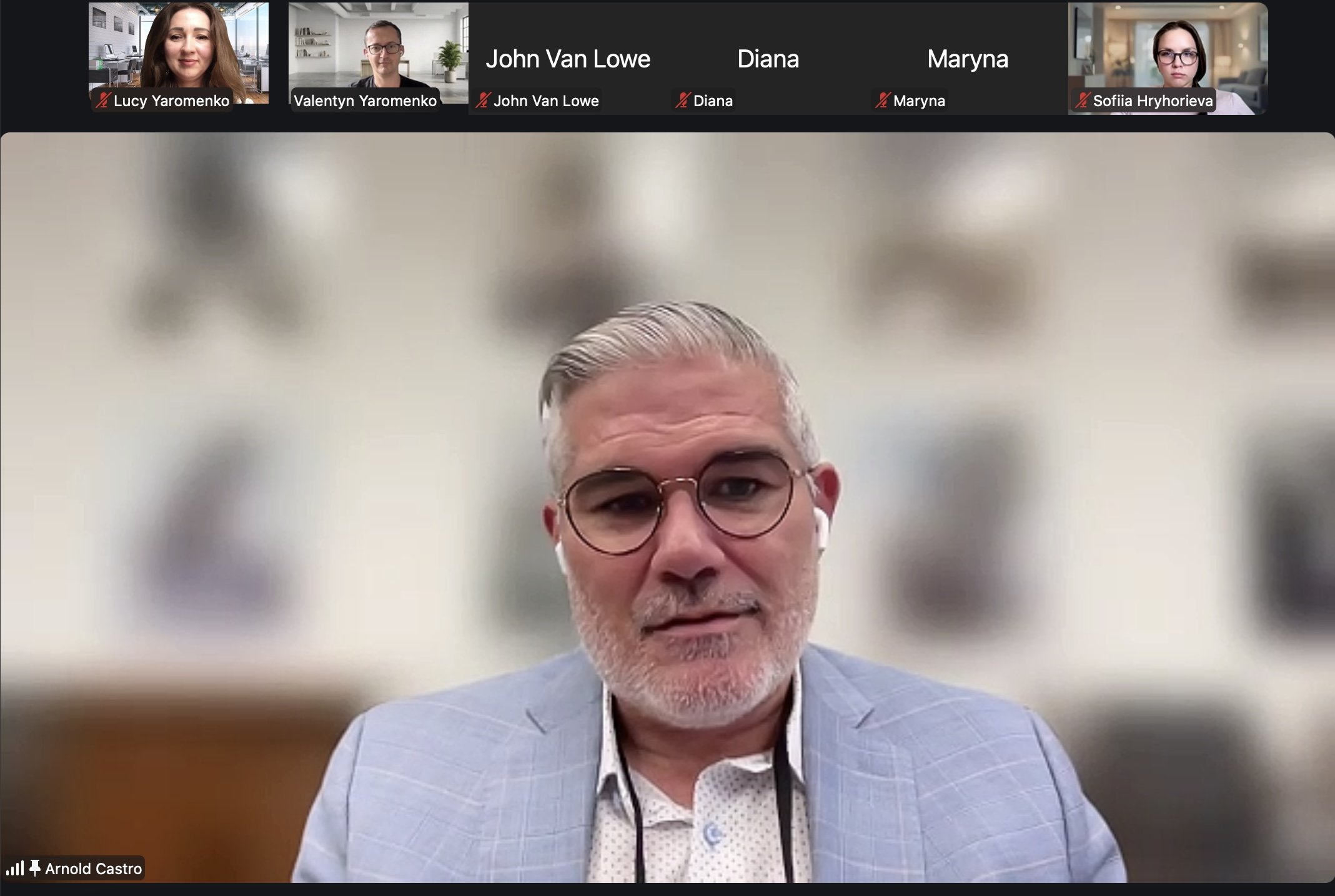
Watch the Full Conversation
This article was written by Lucy Yaromenko, Co-founder & COO of Big Sister AI - an AI platform that analyzes every customer interaction to score your team's performance against your sales playbook, so founders can step back from sales without flying blind. See how it works →
This article is based on a live conversation at Sales OStin - a monthly event for founders and sales practitioners in Austin, TX. Want to join future events? Subscribe to the Sales OStin calendar: luma.com/salesostin →